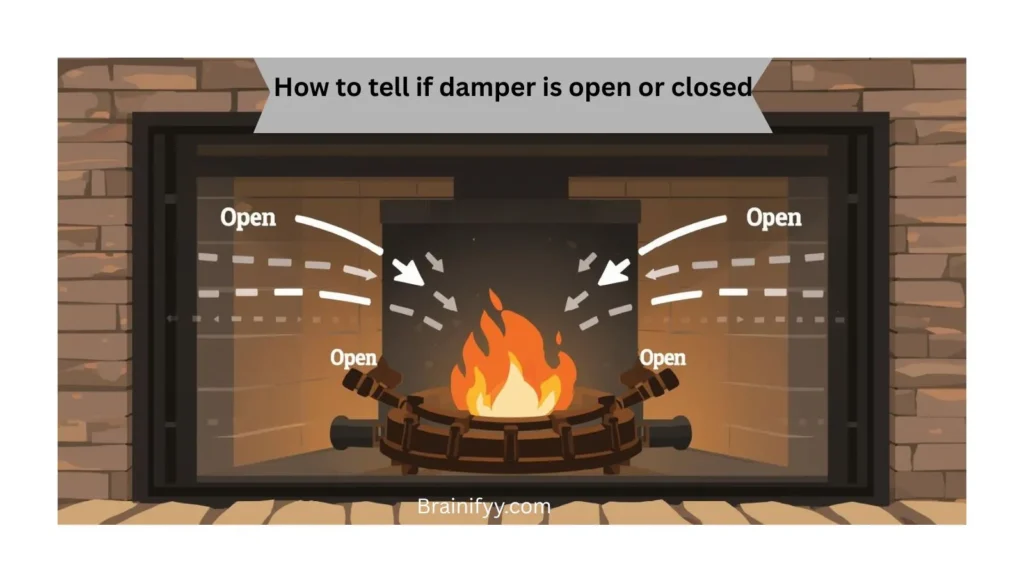
Understanding whether a damper is open or closed is crucial for safe and efficient heating, ventilation, or air conditioning. Many homeowners, DIY enthusiasts, and HVAC technicians search for how to tell if damper is open or closed because improper damper settings can cause energy loss, smoke buildup, or uneven heating. Despite its importance, damper operation can be confusing, especially with different designs like manual levers, rotating discs, or motorized controls.
This guide will clarify the signs of an open or closed damper, explain why the confusion exists, and provide practical tips to check damper status safely. From simple visual cues to using airflow tests, you’ll gain clear methods to determine your damper’s position. Additionally, we’ll cover historical origins of the term, common mistakes, everyday usage examples, and trends in searches and usage. By the end, you’ll confidently manage your damper, prevent hazards, and ensure your HVAC or fireplace system works efficiently.
How to Tell If Damper Is Open or Closed – Quick Answer
To quickly check if a damper is open or closed:
- Visual Inspection: Look inside the flue or duct. An open damper aligns with the airflow; a closed one blocks it.
- Lever or Handle Position: Many dampers have a lever or handle. Usually, parallel to the duct means open; perpendicular means closed.
- Airflow Test: Light a match or use a smoke stick near the vent. Movement indicates an open damper; still smoke shows it’s closed.
Example: In a fireplace, an open damper allows smoke to rise freely. A closed damper traps smoke inside, which is dangerous.
The Origin of “Damper”
The word damper originates from the 17th-century French word damper, meaning “to quench” or “to reduce.” It was initially used in metallurgy and cooking to describe devices that control heat or air. Over time, its use extended to fireplaces, chimneys, and HVAC systems.
The confusion in terminology arises because “damper” sometimes refers to different mechanisms depending on the region: fireplace flues, furnace ducts, or HVAC ventilation devices. This is why homeowners searching for how to tell if damper is open or closed need clear guidance.
British English vs American English Spelling
The spelling damper is consistent in both British and American English. However, variations in technical terms around HVAC or fireplace controls may differ:
| Term | British English | American English |
|---|---|---|
| Damper | Damper | Damper |
| Flue | Flue | Flue |
| Chimney Vent | Chimney Vent | Chimney Vent |
| Air Conditioning Duct | Air Conditioning Duct | Air Conditioning Duct |
Which Spelling Should You Use?
Since damper has the same spelling in both British and American English, you can safely use it globally. For regional audiences:
- US: Use damper in HVAC and fireplace contexts.
- UK/Commonwealth: Same usage, no spelling change needed.
- Global websites: Using “damper” ensures consistency and avoids SEO confusion.
Common Mistakes with “How to Tell If Damper Is Open or Closed”
- Assuming lever direction is universal – Always check manufacturer instructions.
- Touching hot surfaces – Never touch a fireplace damper directly; use tools.
- Relying only on airflow sounds – Small ducts may not produce audible cues.
- Confusing damper with vent – A vent moves air, but a damper controls airflow.
Correction tip: Use a combination of lever position, airflow test, and visual inspection.
How to Tell If Damper Is Open or Closed in Everyday Examples
- Emails: “Before starting the fireplace, please check how to tell if damper is open or closed.”
- News articles: “Proper ventilation is key; here’s how to tell if damper is open or closed.”
- Social media: DIY posts often show damper lever positions.
- Formal writing: HVAC manuals include diagrams showing damper positions.
How to Tell If Damper Is Open or Closed – Google Trends & Usage Data
Search interest peaks in fall and winter, particularly in countries with cold climates:
- US: High searches in October–December.
- UK: Moderate seasonal interest.
- Australia: Lower search volume, mainly in colder regions.
Users often search for this phrase before lighting fireplaces, cleaning chimneys, or checking HVAC efficiency.
Keyword Variations Comparison Table
| Keyword Variation | Usage Context | Notes |
|---|---|---|
| how to tell if damper is open | DIY, fireplace, HVAC | Most common |
| how to check if damper is closed | HVAC troubleshooting | Slightly less searched |
| damper open or closed indicator | HVAC manuals, safety guides | Technical/Instructional |
| fireplace damper open/closed | Fireplace-specific | Regional focus |
| HVAC damper position check | Professional HVAC work | Technical terminology |
FAQs
1. How can I check a damper without a flashlight?
Use a smoke stick or candle at a safe distance to see airflow movement.
2. What if my damper handle is broken?
You may need pliers or a replacement part; never force it.
3. Can a closed damper cause smoke damage?
Yes, smoke can enter rooms and cause health hazards.
4. How often should I check my damper?
At least once a year, or before every heating season.
5. Is there a digital damper indicator?
Yes, some HVAC systems offer motorized dampers with open/closed indicators.
6. What is the difference between a vent and a damper?
A vent allows airflow; a damper controls and restricts it.
7. Can I install a damper myself?
Minor adjustments are possible; major installations should involve a certified professional.
Conclusion
Knowing how to tell if damper is open or closed is essential for safe, efficient heating and ventilation. Simple methods like lever checks, visual inspection, and airflow tests can prevent smoke hazards, energy loss, and equipment damage. While the term “damper” has a long history, its function remains consistent across fireplaces and HVAC systems. By avoiding common mistakes—like assuming lever positions or confusing vents—you can ensure proper operation. Seasonal checks, manufacturer guidance, and safe handling are key. Whether you live in the US, UK, or elsewhere, the spelling and concept remain the same, making communication and troubleshooting simple. With these practical tips, you can confidently manage your damper, improve airflow, and maintain a safer, warmer home.